MEXICO CITY—Flying from Houston, Texas on Southwest to start my Fulbright scholarship was surreal. At first, nothing felt foreign about forming an orderly queue with the occasional Spanish in the background. I was born and raised in San Antonio, a majority Latino city, and the capital of Mexico is the closest to home I’ve lived since pursuing college and graduate school outside of Texas. I always sleep on flights, and this was no different, yet I woke to a never-ending sea of urbanization, that is la Ciudad de México.

Similar to any major center, I took an Uber to get to my destination in San Angel, a historic barrio with cobblestone streets once home to the power couple of Diego Rivera and Frida Kahlo who loom large over this metropolis. Thanks to generous friends (a theme over the past month), I had a place to stay while I searched for my own. The next morning I had an appointment for an apartment in Colonia Roma, so I stored 5 pesos for the metro in my smallest pocket and started my next adventure. This was the first of many long walks alone in a new city that I now consider home.
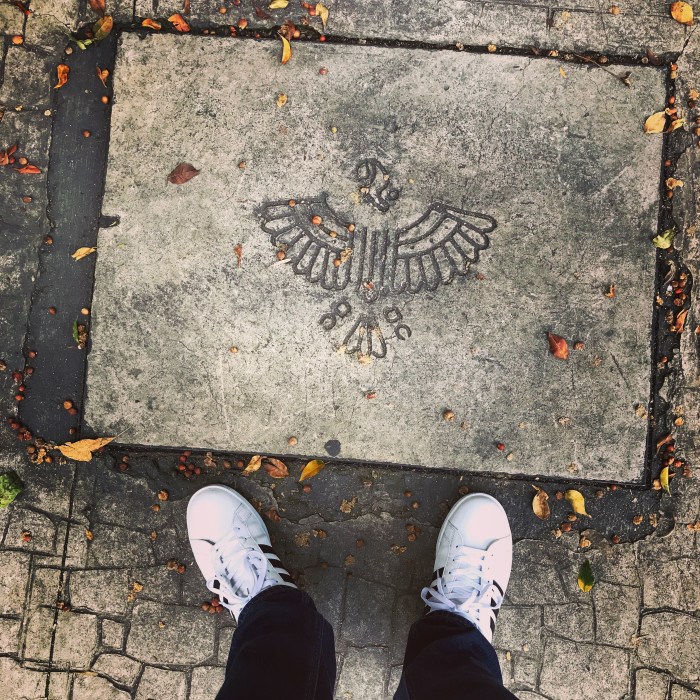
Perhaps I already feel at home because as I wonder through Mexico City I see flashes from my past, places that I had the honor of exploring and struggling in. El Palacio Postal is basically Gringotts out of Harry Potter’s Wizarding World (my favorite book series and what inspired my love of reading thanks to my grandma), and takes me back to epic gothic campuses of Boston College and UChicago, where I studied. Paseo de la Reforma reminds me of the Magnificent Mile in Chicago, Alameda Central echoes Hemisfair Park in San Antonio, Parque Lincoln in Polanco—where statues of Abe and MLK stare across the street from each other—prompts memories of Washington D.C., while the Torre Latinoamericana pierces the sky like the Prudential Tower in Boston. Those cities are all homes where I met friends and colleagues who shaped my principles and politics, and I am confident Mexico City will continue in that tradition.

The city’s ambience is warm and vibrant with brightly colored buildings, laborers earning a living, and street vendors overwhelming human senses (and stomachs!). While exploring El Bazaar Sábado with friends, we listened to federal police perform as mariachis in the plaza and enjoyed enchiladas de pato en Coyoacán. At Palacio de Bellas Artes, the careers of Picasso and Rivera are contrasted in a unique exhibit, and the public murals are a must-see. Thanks to my foodie friends, I had already eaten at el Cardenal twice, and my new favorite drink has quickly become a carajillo, a cocktail concoction of Licor 43 and espresso. With my fellow Fulbrighters, we climbed to the top of the Catedral Metropolitana overlooking the Zócalo as decorations were on display for the upcoming el Día de la Independencia celebrations.
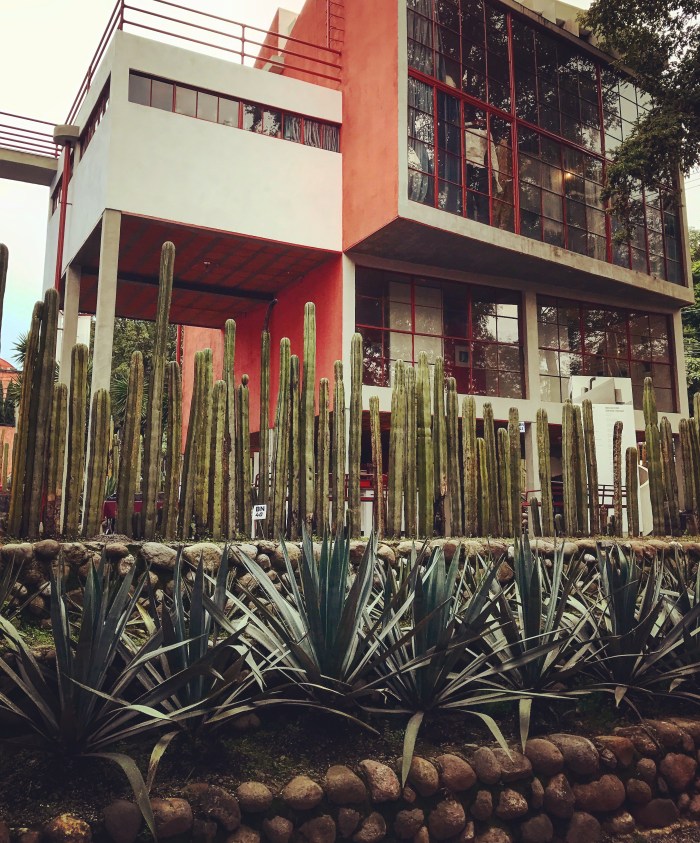
Despite the dynamism of the city, there also is some somberness and a sense of isolation that I do not fully understand. Public transportation is relatively inexpensive, but rather slow and uncomfortable to the point of being unbearable during peak hours. Strolling through parks enables tranquility, but also a slight headache from the pollution above (maybe I just need to drink more water, less cerveza). While searching for housing, the issues of affordability and mobility were apparent as challenges that every city must confront. The dual-economy (formal and informal), which Dani Rodrik and Santiago Levy recently wrote about, is evident to the eye and must drain hope out of people’s aspirations. Whether it is DACA, NAFTA, or the Wall, the whims of the White House weigh on public discourse. After a month, Mexico City is a city of contrasts, one of beauty and opportunity, but perhaps only for a privileged few, and could be called la Ciudad de Desigualdad.
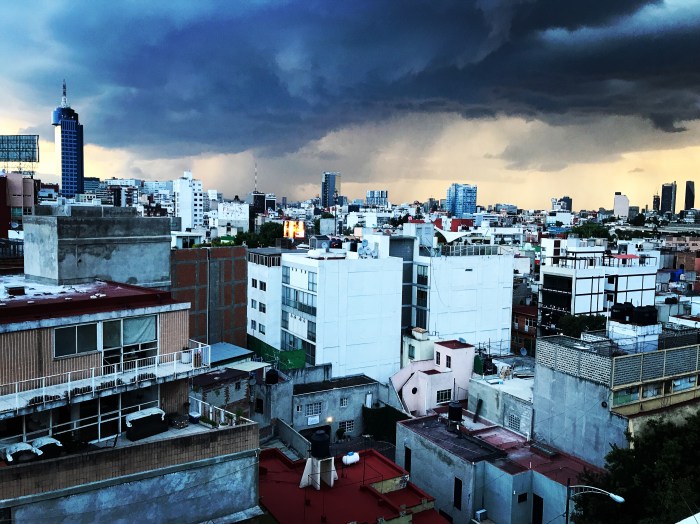
Yet somehow out of this discordance is progress. While living in Mexico City over the next year, thanks to a Fulbright-García Robles research grant funded by both the United States and Mexican government, I’m going to explore what other cities can learn from CDMX. What public policies would promote more inclusive economic growth? Urban development should not be an end, but a means to improve people’s lives, particularly disadvantaged communities. Through all the immense pleasures this rich culture and magnificent city provides, I will have to grapple with the stark inequity of services and class cleavages that are a part of every day life. And like all the past places I’ve had the pleasure to call home, the wisdom from Mexico City will forever impact my perspective on life and my understanding of my own means to affect the lives of others.
This is an experiment. I have ideas that I want to test. I expect to be challenged, not only in speaking Spanish, but also about my beliefs and who I aspire to be. It’s a privilege to be able to learn and to explore in a new place, and I hope to share a small part here.
I found this article inspiring. It brings out the adventurer in me. I hope to visit Mexico City one day soon.
LikeLiked by 1 person
Nice to see a description of my home city from a foreigner perspective! I’m also surprised that La Torre Latinoamericana is one of your highlights (it’s awful, though it has a cool bar at the rooftop). I look forward to reading your impressions in the upcoming months
LikeLike
It’s a wonderful world and it makes me happy to be a part of yours.
LikeLike
Me encanta! Gracias por mostrar la ciudad de México de esta manera ❤ Buena referencia a Gringotts 🙂
LikeLike
Leo tu articulo y cuento los días para regresar a la ciudad de méxico ❤ Buena referencia a Gringotts 😉
LikeLike
An interesting read. You are experiencing so much at once. I can’t wait to read more perhaps about your experience learning the language and culture.
LikeLike
Caaampari! I love this. Enjoy every second of this experience, I’ll send you a few tacos spots that will change your life.
LikeLike
Alex, I love that you are chronicling your experiences in blog form and sharing it with all of us. Very interested to learn more about housing and the extent to which race/color and class have an impact on accessibility and quality.
LikeLike